
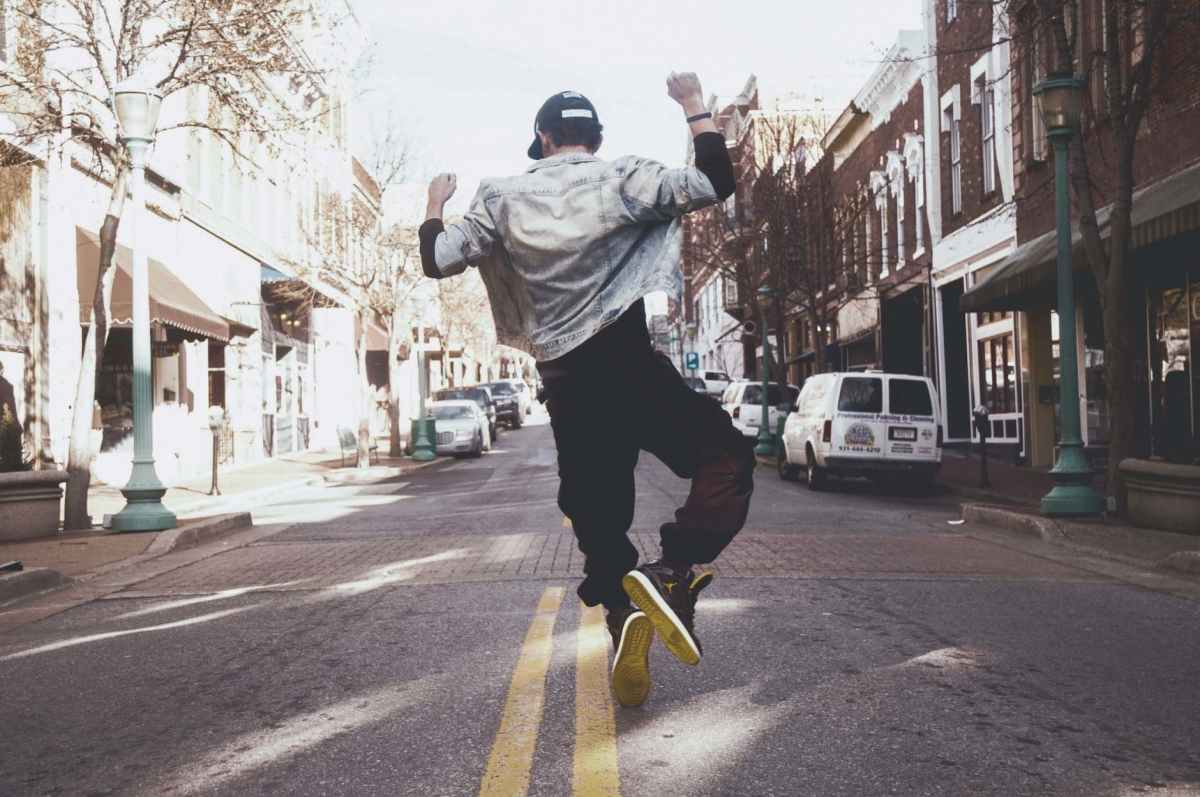
SUGGESTED MOVEMENT: TURF MIMING*
Many turf movements are associated with their neighborhoods of origin. To create these distinctive moves, dancers utilize improvisation with a focus on storytelling. One way to achieve this is miming. To mime, a person has to do gestures and movements, without using words, to demonstrate an idea or feeling.
What ideas or feelings are associated in this space? How are people interacting and engaging? What are they saying, any keywords stick out? How are they moving? Observe and then mime!
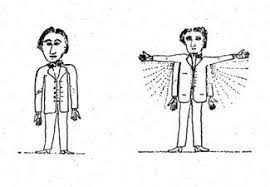
Need some help thinking? Let’s start with the name of the space, The Birdhouse. What gestures and movements can you do to describe the name of this place without words? Here’s some movements to get you started:

*Please be aware and recognize that these movements are connected to the culture, history, and liberation movement of Black/Soulaan and other marginalized communities. Participate respectfully and intentionally and if you share this movement with others, we stress you include the history and people behind the movement.
HISTORY
The origin story of turf dancing (or turfing) is in the Oakland Boogaloo movement of California in the 1960s, then developing into a separate genre of dance during the 1990s. It was stylized along the rise of hyphy and came to be seen as distinctively representative of Oakland culture and people. Turfing as a style gained momentum in 2002 with Jeriel Bey’s establishment of “The Architeckz”, the first organized turfing crew to function in West Oakland. Bey is also credited for coining the term ‘turfing’. Since Architecks, there have been many other turfing crews that have taken the style to more new heights and places, like Animaniakz and TurfFeinz.
Turfing can look like a combination of abrupt, angular movements like popping, tutting, bone breaking, and miming paired with graceful and intentional footwork like gliding. “Going dumb” is also a distinctive part of the style, which is the action of completely letting one’s emotions loose in their movement. Turfing movement is also dependent on where a dancer is from. It is said this style also originated as a way to describe different “turfs” (locations or territories) in Oakland to show and represent where they were from (the same as “blocks” or “sets”). Zeus, né Jesus Ibn El, member of Animaniakz and an acrodunker for the Golden State Warriors said, “You used to be able to figure out where people lived based on the way they turf danced.”
This blog is part of a participatory performance art piece called “The Search for Community Continues“, which aims to unveil and explore the connective tissue between movement, art, and environment by co-creating a brave space to dance to the sound of community.
 Knox Community Street Dance