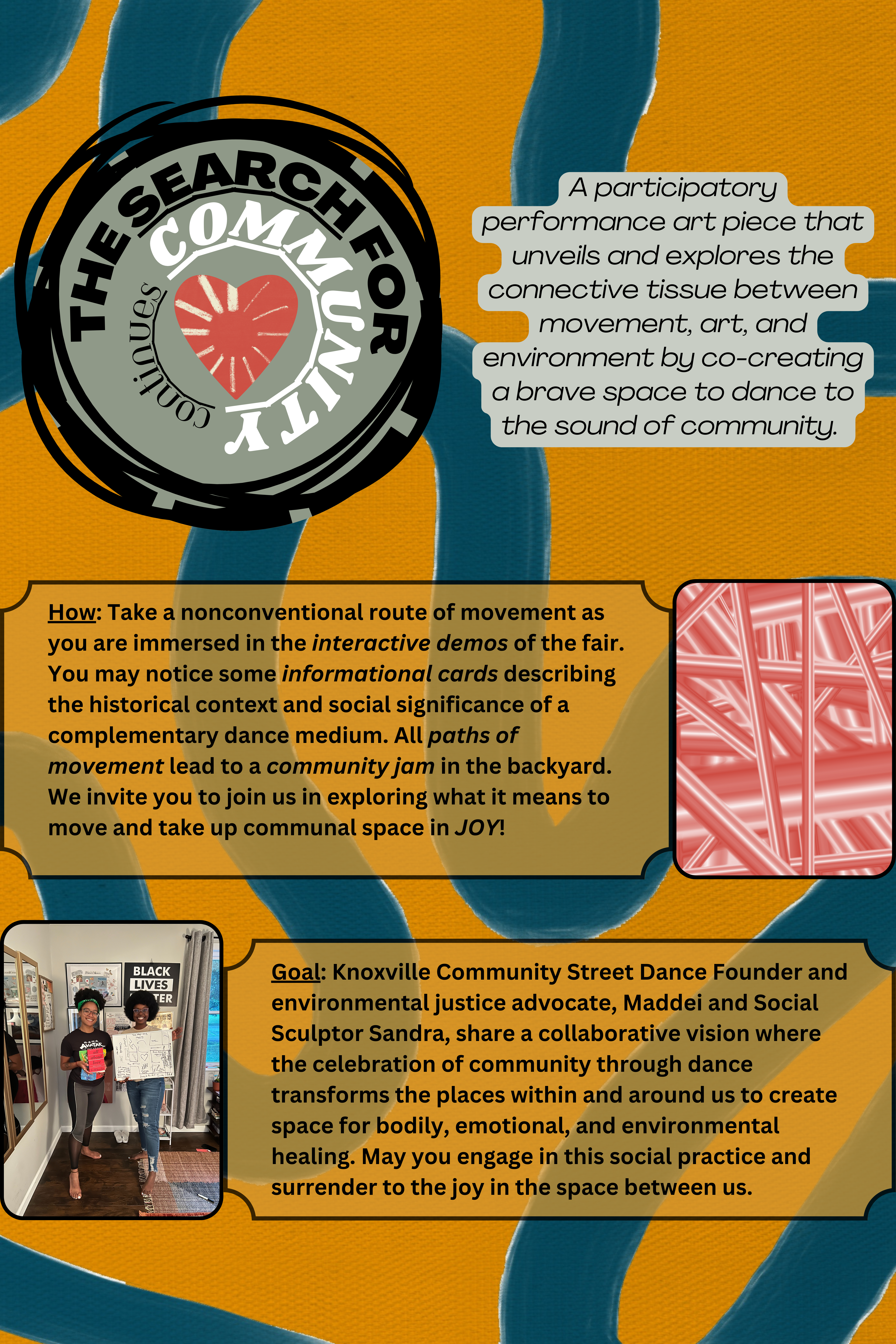
This piece was performed Saturday, July 15, 2023 at the Birdhouse.
 Knox Community Street Dance
This piece was performed Saturday, July 15, 2023 at the Birdhouse.
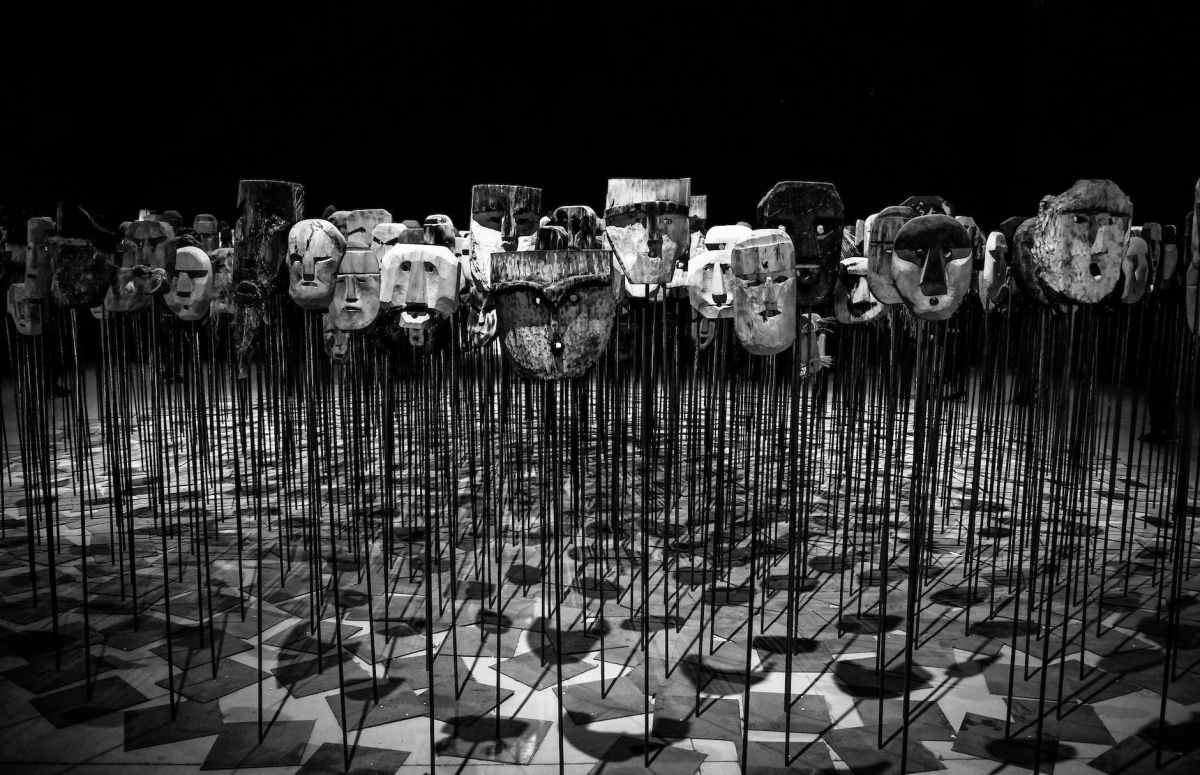
SUGGESTED MOVEMENT: HAND SIGNALS*
Non-verbal communication is a very important part of street dance and hip-hop culture and history. Hand gestures and making signals and words are used as a way to show emotion, thoughts, representation, and affiliation. For example, breakdancers have their own silent language that is often used to burn or egg their opponent in a battle. Hand signals can also be used in a cypher as well.
Let’s show some non-verbal love to the artists around us. Whenever you see or hear an artist do something that you’re impressed by or like, do a waving gesture with your hand like you’re cooling something off. This is communicating without words that they are on fire!

*Please be aware and recognize that these movements are connected to the culture, history, and liberation movement of Black/Soulaan and other marginalized communities. Participate respectfully and intentionally and if you share this movement with others, we stress you include the history and people behind the movement.
HISTORY:
The early 1990s is when the term “hip-hop theatre” emerged. Jonzi D, a London-based dancer and emcee, sought to describe a performance style that fused hip-hop dance and theatre. As time went on, the definition of hip-hop theatre expanded to include works that incorporated other elements of hip-hop, which includes graffiti, DJ’ing, emceeing, and knowledge. Will Power described hip-hop theatre as “theatre artists exploring their relationship to hip-hop, focusing on content, form, or content and form.” Although the genre of theatre was not named in America, it has been American artists such as Will Power, known as the co-creator and pioneer of hip-hop theatre, Psalmayene 24, known for his seminal work in hip-hop Theatre, and Kamilah Forbes, the creator and director of Hip-Hop Theater Festival, that have actively shaped and created the form through their work in the US.
Collaboration is a core ingredient for most hip-hop theater groups. It is vital that the tradition of hip-hop culture is maintained in these productions, and that producers, directors, and playwrights prioritize input and participation by the people the play is intended to speak to and entertain. Danny Hoch, a hip-hop theater writer, actor, and director said, “Hip-hop theatre… must be by, about and for the hip-hop generation, participants in hip-hop culture, or both.” Knowledge, one of the five elements of hip-hop, is always present. Plots in hip-hop theatre often tackle current social issues, especially as they relate to marginalized communities, with characters exploring the strengths and limits of activism and empowerment. The struggle and battles between the individual and society is a central theme as characters seek to create and live liberational lives.
This blog is part of a participatory performance art piece called “The Search for Community Continues“, which aims to unveil and explore the connective tissue between movement, art, and environment by co-creating a brave space to dance to the sound of community.
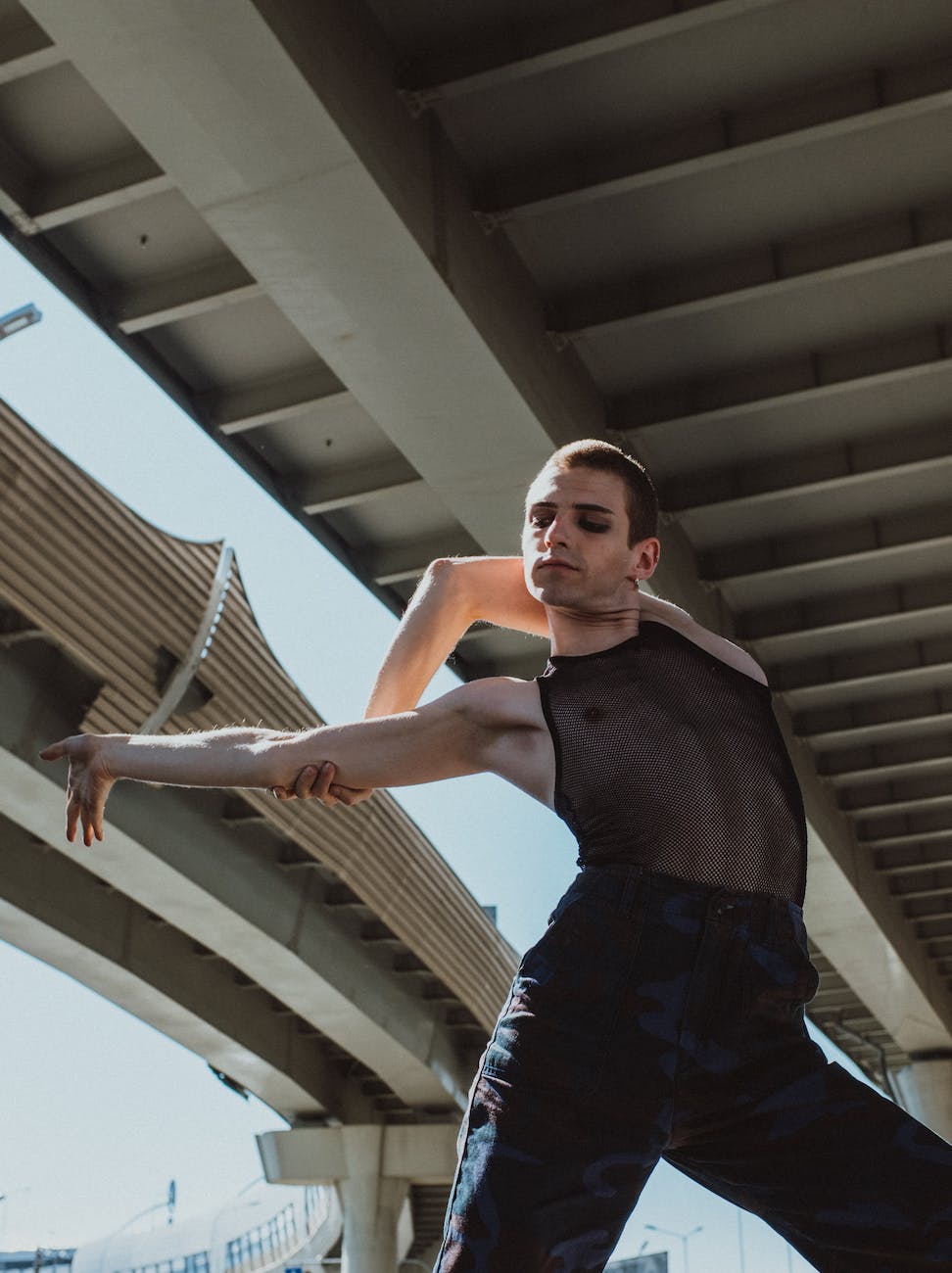
SUGGESTED MOVEMENT: OLD WAY VOGUE*
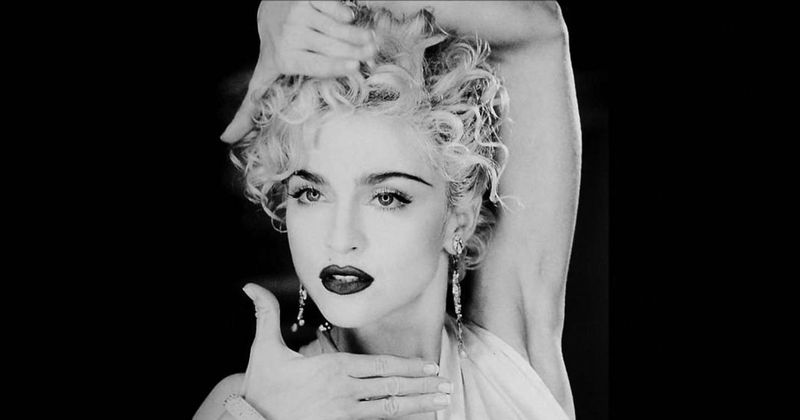
There are multiple styles of voguing, the first recognized style created was Old Way vogue. The focus on this style is “…precision, style and grace by presenting long lines, powerful postures and attitude throughout the whole body. The style is strongly inspired by hiëroglyphs, posing, martial arts, breaking and popping.”
Try it out for yourself– strike a pose!
Need help? Try out these poses:

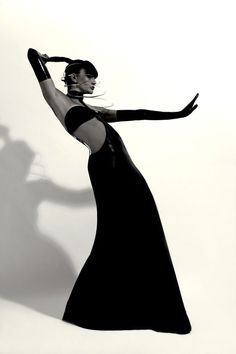
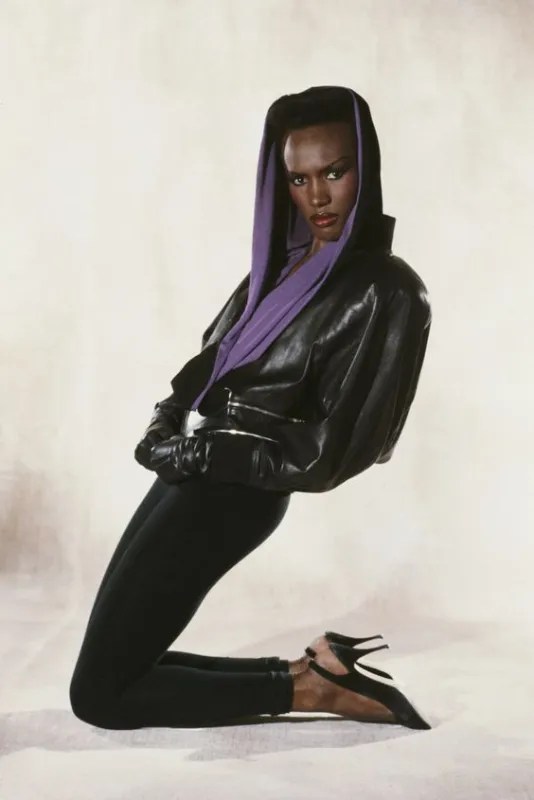
*Please be aware and recognize that these movements are connected to the culture, history, and liberation movement of Black/Soulaan and other marginalized communities. Participate respectfully and intentionally and if you share this movement with others, we stress you include the history and people behind the movement.
HISTORY
Voguing is a street dance style that was first introduced in the ballrooms of Black and Latin LGBTQ communities in Harlem. The origin of this style is heavily credited to Paris Dupree. The lore is that one day while Black drag queens were throwing shade at each other, Dupree had a Vogue magazine in her bag. As she was dancing, she took it out, started posing like a model on a page and then stopped in that pose on the beat. She would then continue this movement style, turning the pages and stopping in a new pose. Seeing Dupree’s movement, another queen came up and did a different pose in front of her. Responding, Dupree went in front of her and did another pose. This competition of shade, trying to make a prettier pose than each other, gained traction in the ballrooms. David DePino, an influential DJ for the voguing community, said “At first they called it ‘posing’ and then, because it started from Vogue magazine, they called it ‘voguing’.”
Another alternative origin to the lore of voguing was that it was first practiced by the Black, gay inmates of Rikers Island. The movement was a way of attracting the attention of men and throwing shade. Ballroom pioneer Kevin Ultra Omni noted that “Maybe they didn’t have a name for it, but that’s what they were doing, or so it’s said… I know Paris was an early pioneer of voguing. But I believe that vogue existed in some other form through other people as well. I also think that a lot of voguing poses come from African art and Egyptian hieroglyphics.”
This blog is part of a participatory performance art piece called “The Search for Community Continues“, which aims to unveil and explore the connective tissue between movement, art, and environment by co-creating a brave space to dance to the sound of community.
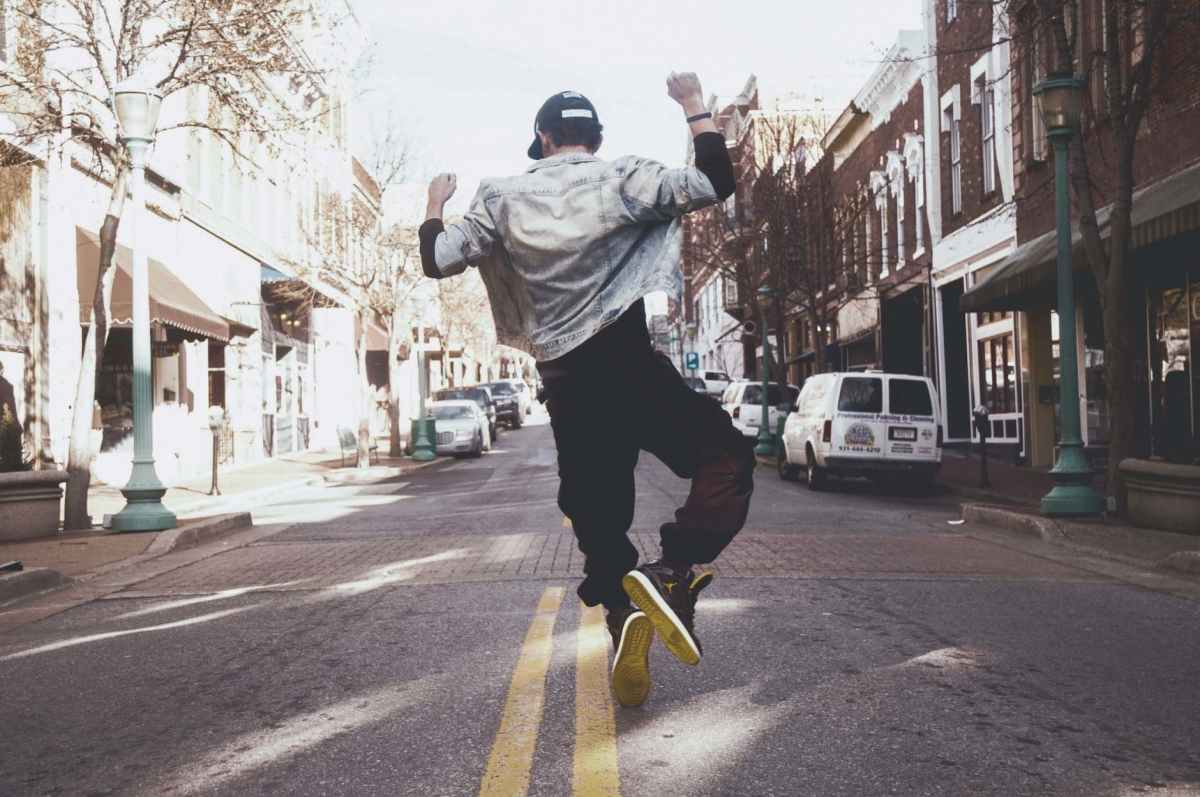
SUGGESTED MOVEMENT: TURF MIMING*
Many turf movements are associated with their neighborhoods of origin. To create these distinctive moves, dancers utilize improvisation with a focus on storytelling. One way to achieve this is miming. To mime, a person has to do gestures and movements, without using words, to demonstrate an idea or feeling.
What ideas or feelings are associated in this space? How are people interacting and engaging? What are they saying, any keywords stick out? How are they moving? Observe and then mime!
Need some help thinking? Let’s start with the name of the space, The Birdhouse. What gestures and movements can you do to describe the name of this place without words? Here’s some movements to get you started:
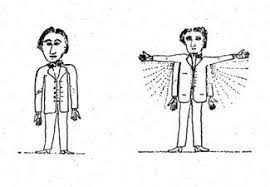

*Please be aware and recognize that these movements are connected to the culture, history, and liberation movement of Black/Soulaan and other marginalized communities. Participate respectfully and intentionally and if you share this movement with others, we stress you include the history and people behind the movement.
HISTORY
The origin story of turf dancing (or turfing) is in the Oakland Boogaloo movement of California in the 1960s, then developing into a separate genre of dance during the 1990s. It was stylized along the rise of hyphy and came to be seen as distinctively representative of Oakland culture and people. Turfing as a style gained momentum in 2002 with Jeriel Bey’s establishment of “The Architeckz”, the first organized turfing crew to function in West Oakland. Bey is also credited for coining the term ‘turfing’. Since Architecks, there have been many other turfing crews that have taken the style to more new heights and places, like Animaniakz and TurfFeinz.
Turfing can look like a combination of abrupt, angular movements like popping, tutting, bone breaking, and miming paired with graceful and intentional footwork like gliding. “Going dumb” is also a distinctive part of the style, which is the action of completely letting one’s emotions loose in their movement. Turfing movement is also dependent on where a dancer is from. It is said this style also originated as a way to describe different “turfs” (locations or territories) in Oakland to show and represent where they were from (the same as “blocks” or “sets”). Zeus, né Jesus Ibn El, member of Animaniakz and an acrodunker for the Golden State Warriors said, “You used to be able to figure out where people lived based on the way they turf danced.”
This blog is part of a participatory performance art piece called “The Search for Community Continues“, which aims to unveil and explore the connective tissue between movement, art, and environment by co-creating a brave space to dance to the sound of community.
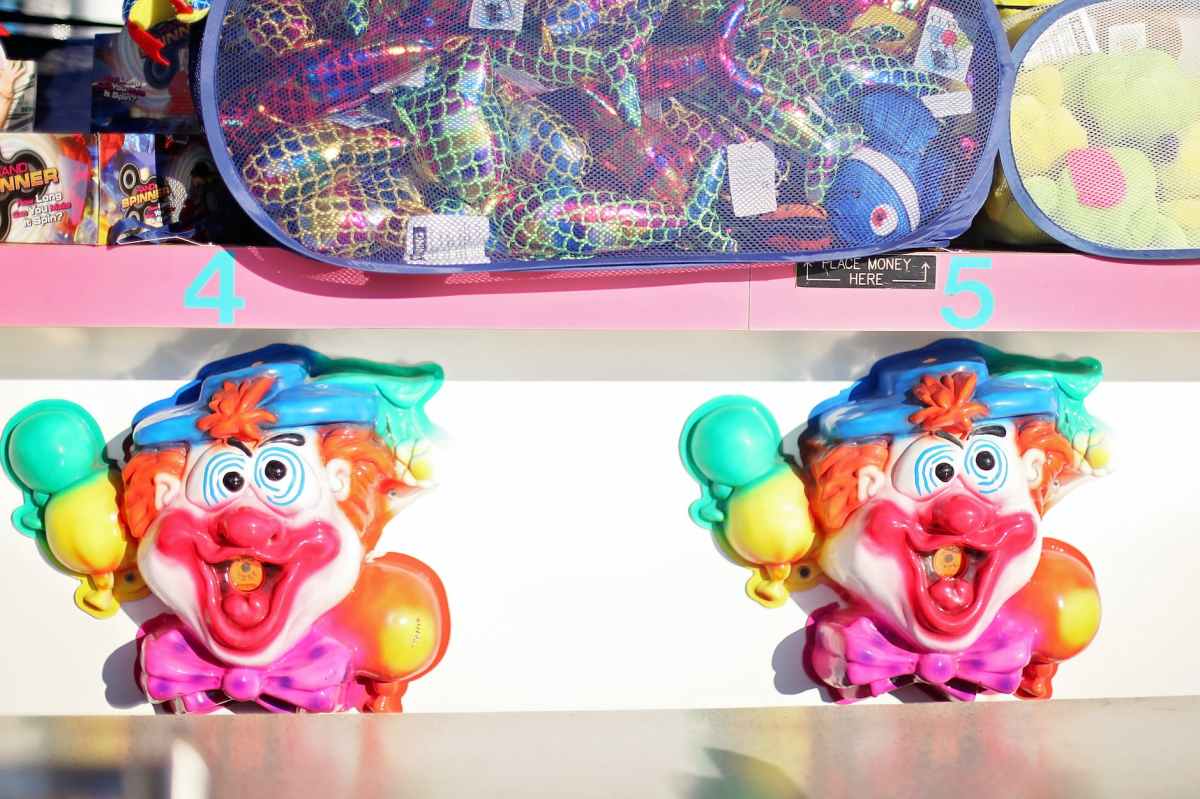
SUGGESTED MOVEMENT: MIMICKING*
Clowning is very connected to and grounded in battle culture. In battles and in clowning, mimicking, imitating a person’s movements or gestures, can be used to entertain the crowd or replicate another dancer.
Look at others around you and copy their movements. Exaggerate them or make them bigger. The point of clowning is to foster and feel a happy and fun environment. Here’s some examples of mimicking to get you inspired:



*Please be aware and recognize that these movements are connected to the culture, history, and liberation movement of Black/Soulaan and other marginalized communities. Participate respectfully and intentionally and if you share this movement with others, we stress you include the history and people behind the movement.
HISTORY:
Clowning is identified as the less aggressive predecessor to krumping and was created in 1992 by Thomas “Tommy the Clown” Johnson in Compton, CA, who is also considered the godfather of krumping. In the 1990s, Johnson and his crew, the Hip Hop Clowns, would paint their faces and perform ‘clowning’ for kids’ birthday celebrations or for the general public at other gatherings as a form of entertainment. Tommy was an ex-con and crack dealer and after his release from prison, he decided he wanted to use this style as a way to get kids in his city out of gangs, violence and drugs and to focus on school more. He wanted to start a healing movement.
Since krumping grew out of clowning, the movement for clowning and krumping can be similar. However clowning remains as a lighter, joyful form, while krumping is the ‘dirtier’, more intense form of the movement. Ceasare Willis and Jo’Artis Ratti were both originally clown dancers for Johnson but their dancing was considered too aggressive and raw for clowning so they eventually broke away and developed their own style, krumping. Johnson eventually opened a clown dancing academy and started the Battle Zone competition at the Great Western Forum where krump crews and clown crews could come together and battle each other in front of an audience of their peers. Dancers everywhere now use clowning and krumping as a way to express themselves and release emotion.
This blog is part of a participatory performance art piece called “The Search for Community Continues“, which aims to unveil and explore the connective tissue between movement, art, and environment by co-creating a brave space to dance to the sound of community.

 Knox Community Street Dance